
3D Printing and Design in Vizag: A Comprehensive Guide
- Ravi Kiran
- Feb 1, 2023
- 3 min read

3D printing is an exciting and rapidly evolving technology that has taken the world by storm. With the advent of 3D printing, designers, engineers, and artists are able to bring their visions to life with greater ease and precision than ever before. In this article, we'll explore the benefits of 3D printing, the various types of 3D printing technologies available, and how to select the right 3D printer for your design needs. We'll also dive into the world of 3D printing materials, explore how long 3D printing takes, and delve into some of the more advanced 3D printing techniques, such as SLA and FDM.
Introduction to 3D Printing
3D printing, also known as additive manufacturing, is a process by which a 3D design is turned into a tangible object. This is achieved by building up the object layer by layer until it is complete. The beauty of 3D printing is that it allows designers to produce complex, highly intricate objects that would be impossible to create using traditional manufacturing methods. This opens up a world of possibilities for designers and engineers, who can now create functional prototypes, spare parts, and even end-use products in a matter of hours.
Benefits of 3D Printing
There are numerous benefits to using 3D printing for product design and prototyping. Some of the most notable benefits include:
Speed: 3D printing allows you to go from a digital model to a physical prototype in a matter of hours, rather than weeks or months with traditional manufacturing methods.
Cost savings: With 3D printing, you can produce low-volume prototypes and test products at a fraction of the cost of traditional manufacturing methods.
Customization: 3D printing allows you to produce highly customized products, such as prosthetics, dental crowns, and implants, that are tailored to the unique needs of each individual.
Increased creativity: 3D printing opens up a world of possibilities for designers and artists, who can now create complex and intricate designs that would be impossible to produce using traditional manufacturing methods.
Types of 3D Printing Technologies





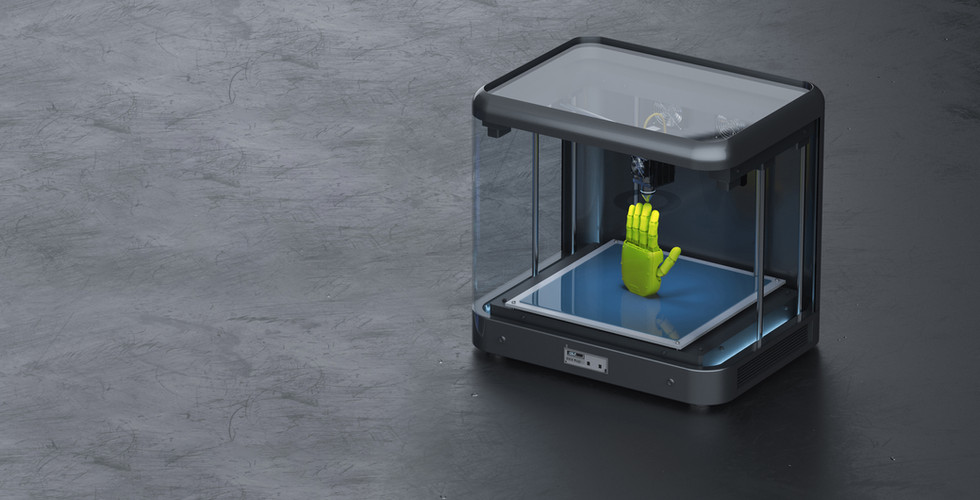


There are numerous types of 3D printing technologies available, each with its own strengths and weaknesses. Some of the most common 3D printing technologies include:
Fused Deposition Modeling (FDM): FDM is the most widely used 3D printing technology. It works by heating a filament of plastic and extruding it through a nozzle to build up the object layer by layer.
Stereolithography (SLA): SLA is a more advanced 3D printing technology that uses a laser to cure resin into solid form.
Selective Laser Sintering (SLS): SLS is a 3D printing technology that uses a laser to sinter a bed of powder into solid form.
Polyjet Printing: Polyjet printing is a 3D printing technology that uses a jet of resin to build up the object layer by layer.
Binder Jetting: Binder jetting is a 3D printing technology that uses a binder to bond together a bed of powder into solid form.
Directed Energy Deposition: Directed energy deposition is a 3D printing technology that uses a high-powered laser or electron beam to deposit metal into solid form.
How to Select the Right 3D Printer for Your Design
When choosing a 3D printer, there are several key factors to consider:
Material Compatibility: Consider what materials you will be printing with and make sure the printer you choose is compatible with your chosen materials.
Precision and Accuracy: If you're creating prototypes or final products that require high levels of precision, you'll need a printer with a high level of accuracy.
Build Volume: Think about the size of the objects you'll be printing and make sure the build volume of the printer you choose is suitable for your needs.
Cost: 3D printers can range in price from a few hundred dollars to tens of thousands of dollars. Consider your budget and what you need the printer for when choosing a model.
User Friendliness: Make sure the printer you choose is easy to use, with user-friendly software and a straightforward setup process.
Q&As - Frequently Asked Questions
What are the benefits of 3D printing?
3D printing, also known as additive manufacturing, offers a range of benefits including cost-effectiveness, speed, and versatility. 3D printing allows for the creation of complex and intricate designs with reduced production time and lower material waste. This technology has revolutionized the way products are manufactured, making it possible to produce custom and unique products at an affordable price.
How Long has 3D Printing Technology Been Around?
3D printing technology has been around since the 1980s and has been constantly evolving ever since. Over the years, the technology has become more accessible, efficient, and affordable, making it a popular choice for both individuals and businesses alike.
Do You Need Additional Software for 3D Printing with Hubs?
Yes, additional software is required for 3D printing. Most 3D printers come with software known as slicers, which is used to prepare the 3D design for printing. Other popular 3D printing software includes CAD, STL, OBJ, and G-code. Slicers, Printer Control Software, and 3D Modeling Software are all essential tools for a successful 3D printing experience.
How to Select the Right 3D Printer for Your Design?
Selecting the right 3D printer depends on a number of factors, including the type of project, budget, and the desired output quality. Here are a few key things to consider when choosing a 3D printer:
Printing technology: Different printing technologies, such as Fused Deposition Modeling (FDM), Stereolithography (SLA), Selective Laser Sintering (SLS), Polyjet Printing, Binder Jetting, and Directed Energy Deposition, each have their own unique advantages and disadvantages.
Material compatibility: It's important to select a printer that is compatible with the material you want to use for your project. Some common materials used in 3D printing include plastics, resins, and metals.
Print size: Consider the size of your design and choose a printer that has a large enough build plate to accommodate it.
Layer height and infill: Layer height and infill are two important factors that affect the final quality and speed of the print.
Supports and post-processing: The amount of post-processing required, such as sanding, painting, polishing, and sandblasting, will vary depending on the printer you choose.
What Materials Can be Used in 3D Printing?
There are a variety of materials that can be used in 3D printing, including plastics, resins, metals, and even conductive and magnetic filaments. Popular plastic filaments include PLA, ABS, and flexible filaments, while popular resin brands include ColorFabb and MakerBot.
How Long Does 3D Printing Take?
The time it takes to complete a 3D print will vary depending on the size and complexity of the design, as well as the speed of the printer. On average, a small and simple design can take anywhere from a few hours to a full day to complete, while a larger and more complex design can take several days.
What is SLA in 3D Printing?
SLA, or Stereolithography, is a type of 3D printing technology that uses a laser to solidify liquid resin into a solid object. SLA is known for producing high-quality and detailed prints, making it a popular choice for applications in jewelry, art, and architecture.
Is SLA or FDM Better?
The answer to this question depends on your specific needs and requirements. FDM, or Fused Deposition Modeling, is a type of 3D printing technology that uses melted plastic filament
Conclusion
In conclusion, 3D printing has revolutionized the way we design, create and manufacture products, from prototyping to mass customization, the technology has provided new opportunities for various industries including medical devices, aerospace, automotive, construction, jewelry, art, and more. With the ever-evolving technology, the materials used in 3D printing are also expanding and advancing.
At 3D Nexus, we aim to provide top-quality 3D printing services in Vizag and Andhra Pradesh at an affordable price. Our team is dedicated to assisting you in finding the right 3D printer for your design, and we offer a wide range of materials to choose from. Whether you need a prototyping solution, spare parts, or mass customization, we have the expertise and technology to help bring your vision to life.
We hope this article has been informative and helpful in understanding the basics of 3D printing and selecting the right printer for your design needs. For more information or to request a quote, visit us at 3dnexus.in
Comments